Why the Planet Doesn’t Need Saving
Featuring David Biello






What if the planet doesn't need saving — and we do?
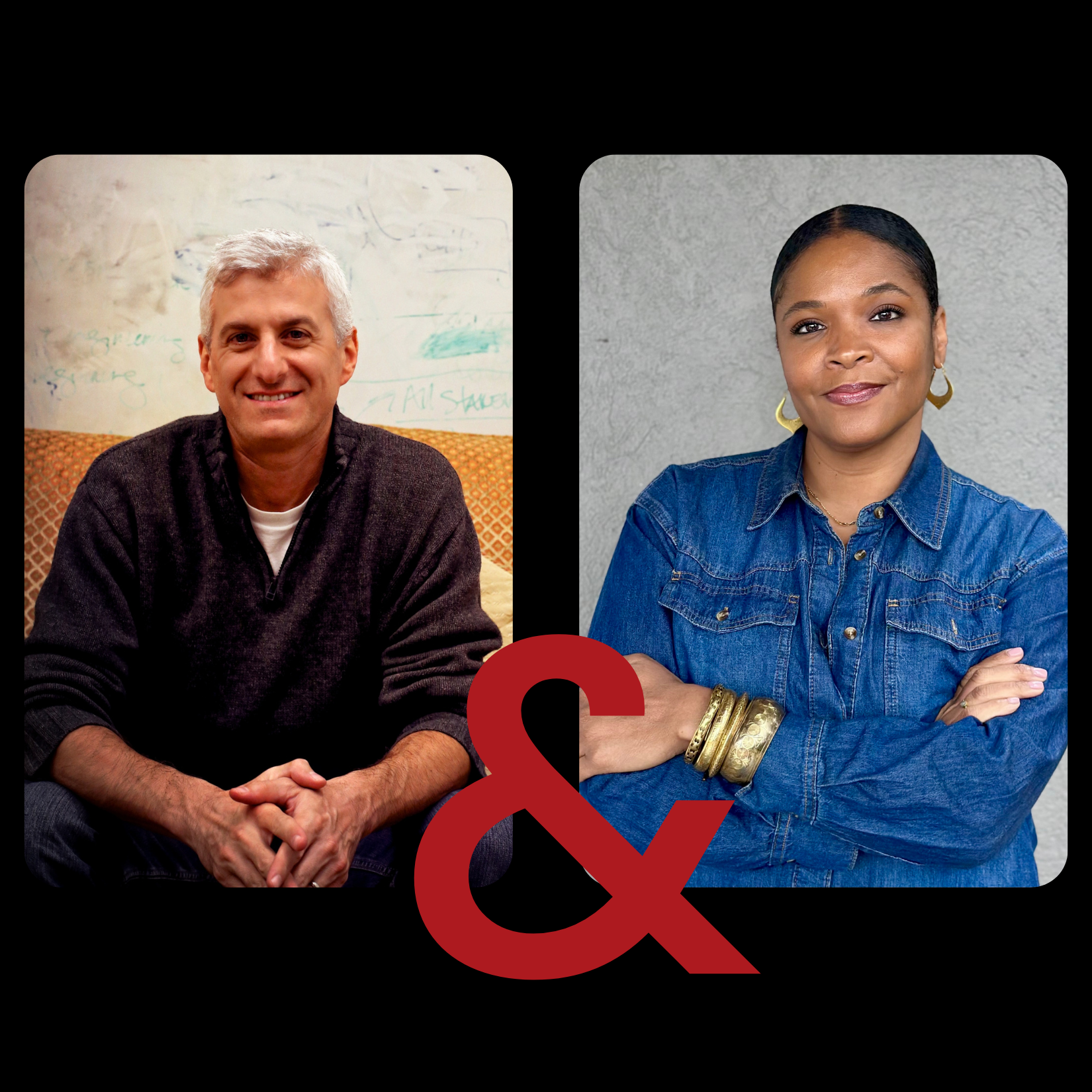
Renay sits down with David Biello — TED's science curator, longtime Scientific American editor, and author of The Unnatural World: The Race to Remake Civilization in Earth's Newest Age — for a conversation that quietly dismantles almost everything we assume the climate conversation is about.
David has been on the environment and energy beat since 1999 — long enough, in his words, to be cynical but not long enough to be depressed. He'll tell you the planet doesn't need saving. We do. Our cities, our food systems, the entire architecture of a life built for a climate that no longer exists — that's what's at stake. And what stands between us and a livable future isn't a missing technology. It's a way of thinking.
This conversation is not a tour of climate solutions. It is about attention — what David chooses to notice, what he refuses to, and how he keeps his footing in a world where every message is weaponized and every source needs a second look. The throughline is short-term thinking: the quarterly result, the daily metric, the next outrage in the feed. David names it as the one thing he wishes leaders would unlearn — the same answer Andrew Winston gave in our first episode, arrived at from a completely different room.
They cover why David cuts through the noise not with a system but with a network. Why the last 10,000 years of climate stability are the narrow band that all of human civilization was built inside, and what it means that we've already stepped out of it. And why "check the sources" applies hardest to the things you already believe.
This is a conversation about responsibility, the long view, and what it takes to keep noticing the world while you're trying to change it.
MEET THE SPEAKERS
David Biello
David Biello is the curator for TED Countdown, helping amplify solutions to global warming, accelerate action against climate change, and change the narrative around this crisis from doom and despair to actionable hope. He also serves as science curator at TED, working on talks featuring ideas from astronomy to zoology, including using gene drives to combat malaria, the mRNA revolution in vaccines, and the real impacts of sexual health restrictions. As part of his duties, he has helped judge and prepare finalists for TED’s Audacious Project, a philanthropic effort to pair compelling ideas with the funds to make an impact, including harnessing AI to develop new antibiotics and how to reduce vaccine spoilage.
Prior to joining TED, he has been an award-winning journalist. He has been reporting on the environment and energy since 1999—long enough to be cynical but still not long enough to be depressed—and wrote for outlets ranging from Scientific American to The New York Times. He also hosted the duPont-Columbia award-winning documentary Beyond the Light Switch as well as The Ethanol Effect for PBS. And he is the author of the book The Unnatural World: The Race to Remake Civilization in Earth’s Newest Age, an Editor’s Pick of The New York Times Book Review.
He received a BA in English from Wesleyan University and a MS in Journalism from Columbia University. He currently lives with his son between an Olmsted-designed park and a world-famous graveyard in Brooklyn.
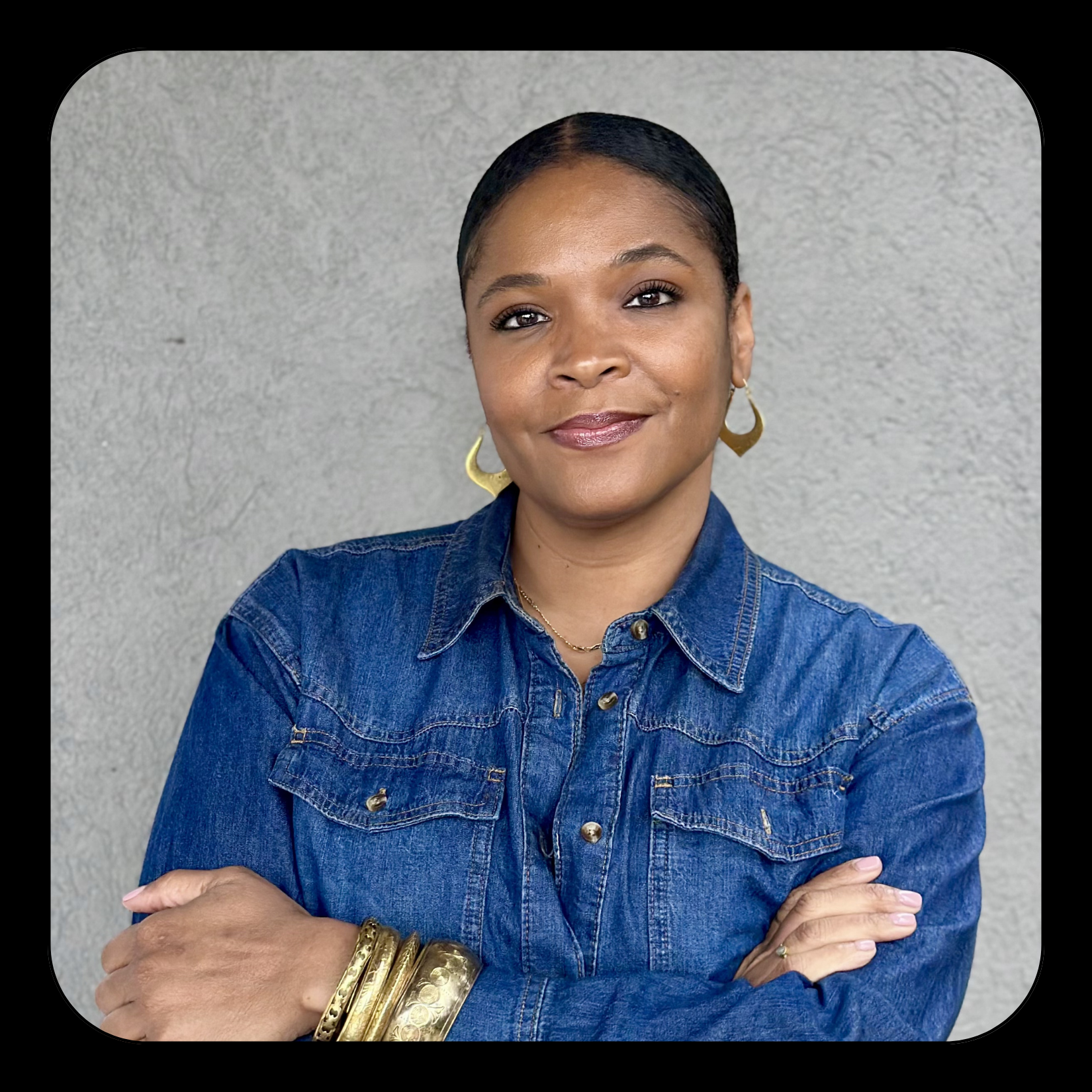
J. Renay Loper
Renay is a Clinical Faculty in Organizational Leadership for the Bard MBA in Sustainability, where she focuses on justice-centered transformation in the workplace. Previously, she was the Vice President of Program Innovation at PYXERA Global where she served on the Executive Leadership Team, led five country offices, drove the development of new business and programs, co-led the organization's work on inclusive circular cities, and advised corporate clients on their social impact strategies. Renay also led the organization’s ARC (Antiracist Collective) initiatives, which included internal and external efforts toward dismantling unjust systems. To this end, Renay created Rhetoric to Action, a series of conversations to bridge sectors toward collective action around social and racial justice.
Prior to PYXERA Global, Renay led the grassroots exchange and education grant portfolio at the Japan Foundation Center for Global Partnership, and has served in a variety of leadership roles in higher education, nonprofit, and business prior to that. Renay is an avid speaker and facilitator, has authored and edited numerous publications, including a resource journal, Student Affairs Professionals Cultivating Campus Climates Inclusive of International Students (Jossey Bass). Renay serves on the board of directors of nonprofits including Community Change, Harpswell Foundation, and Girl Rising.